Getting that initially call from an enjoyed one behind bars overthrows your day. Your mind jumps to function schedules, kids' pickups, the mortgage payment, and after that to this brand-new surface: reservation, charges, bond, and court days. The legal system is constructed to keep instances relocating, not to educate you how it functions. If you have actually never taken care of an apprehension in the past, the bond process can feel like 3 unknown languages at once. With the appropriate map, though, you can make clever decisions promptly, control expenses, and avoid mistakes that ripple for months.
This is a sensible walk-through, based in how points actually play out at the jail home window and the court house hallway. I will utilize plain examples and the numbers households usually encounter. Every region has quirks, so think of this as a structure you can adapt to your regional rules and your court's habits.
How release functions: safekeeping, bond, and the first court date
Once somebody is detained, they are booked. That consists of finger prints, photographs, and an initial records check for warrants or probation holds. Relying on the county and time of day, booking can take anywhere from 1 to 12 hours. During or after booking, among three paths sets the regards to release:
- Cite and launch for minor offenses. Traffic offenses and some low-level charges occasionally finish with a citation and a promise to show up. No bail. Pre-set bond according to a timetable. Many counties publish a bond schedule. For a typical new misdemeanor, the schedule could note bond in between 500 and 5,000 bucks. For lower-level felonies, usual ranges are 10,000 to 50,000 bucks. These are estimate and differ widely by state. Hold for a judge's choice. For residential physical violence, DUI with injury, guns charges, and anything including a safety order or a victim alert, the jail might hold the individual till the opening night. That hearing usually happens within 24 to 72 hours, omitting weekend breaks and holidays.
If bond is allowed, you have 2 wide methods to secure launch. You can publish the full bond amount in cash or cashier's consult the court or prison, or you can use a bail bonds firm to ensure the total for a fee. The option comes down to liquidity, threat tolerance, and timing.
What bail bonds really are
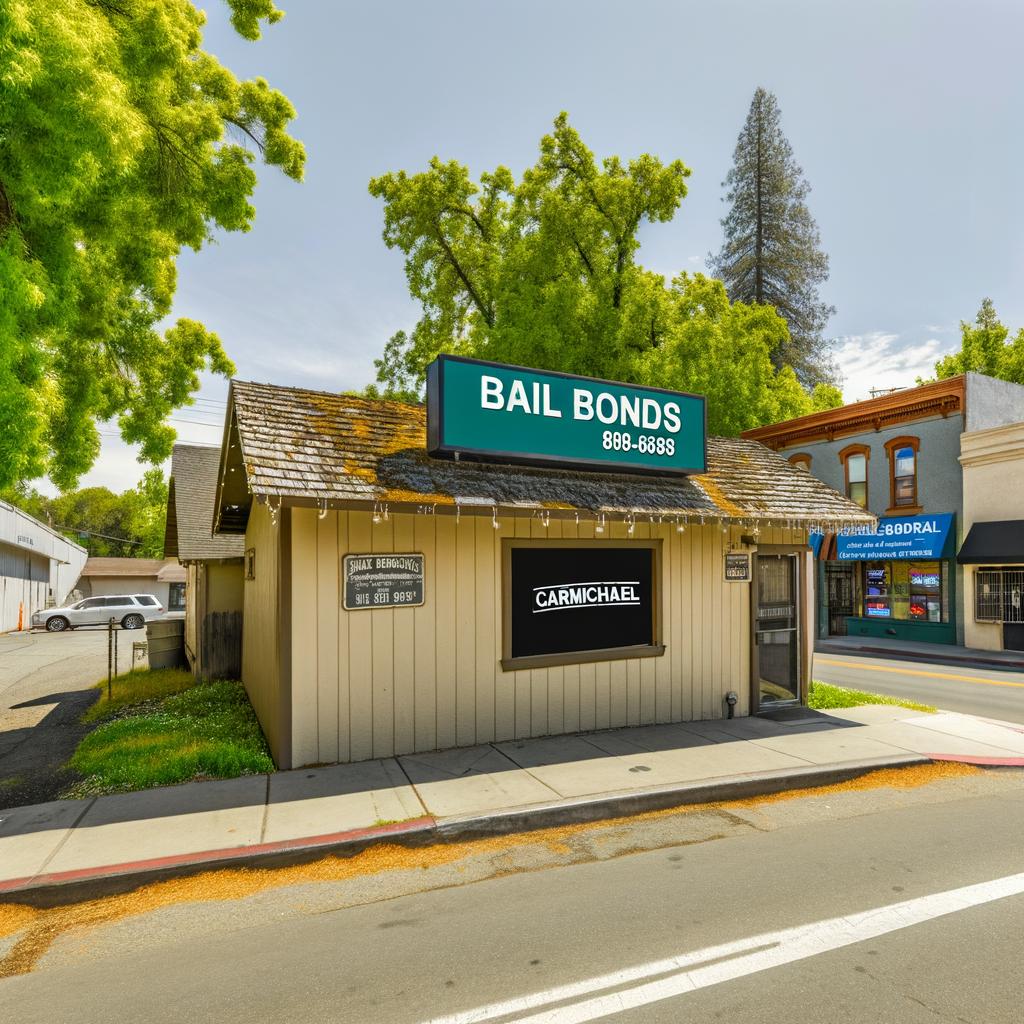
A bail bond is a surety agreement. The bail bonds business guarantees the court it will certainly pay the complete bond if the defendant falls short to show up. In return, you pay the business a charge, called a costs. In most states, that premium is set by law. One of the most usual number is 10 percent of the overall bond, though some states allow 8 percent, 7 percent for certain cases, or moving ranges for greater bonds. That premium is nonrefundable, even if the situation is rejected the next day.
Bondsmen usually call for a signed indemnity agreement from one or more cosigners. Those cosigners are on the hook for the full bond if the defendant avoids court and can not be recuperated. In practical terms, if bond is 20,000 dollars and the costs is 10 percent, you pay 2,000 dollars in advance. If the defendant later on makes off and the bond is waived, the bonds company can seek the cosigners for the 20,000, and may also bill expenses of recovery.
When bail is high or the accused has threat aspects like limited ties to the area, the company may request security. That can be an auto title, a lien on real property, or a cash deposit. Good companies document security clearly and return it after the bond is vindicated, which normally occurs when the instance finishes or when the court releases the bond because the offender was given up and a brand-new bond is posted.
Why newbie status matters, and where it does not
Judges and consumption policemans usually look at criminal background to determine threat of trip and risk to the area. A novice culprit tends to benefit in a few areas:
- Pretrial launch assessments. Several territories rack up defendants for danger. No prior failures to appear and no criminal record push the score towards release on recognizance, in some cases with conditions like check-ins or electronic monitoring. Bail quantities. Prosecutors and judges in some cases stipulate lower bail for novice, pacifist instances. I have actually seen 15,000 buck schedule bails negotiated down to 5,000 in the beginning look when the offender had a stable job and family in the county. Conditions rather than cash. For some misdemeanors, a court might launch first-timers on recognizance, with the understanding that one missed out on court date brings money bail back right into the picture.
Where new condition assists much less: situations with mandatory holds, such as specific residential physical violence fees, limiting order violations, or gun offenses. Also, if the fee has a presumptive bond set by statute, prior history might not move the needle a lot. DUIs with high blood alcohol or crashes, even for first-timers, frequently come with basic problems that include overseen launch or ignition interlock rather than a large bail reduction.
Deciding between money bond and a bond
If you have the full amount offered, money bond is mathematically less costly. Message 10,000 dollars in cash money today, you get that 10,000 back at the end of the instance, minus any kind of administrative fees or fines the court applies. Utilize a bail bond, and you pay the 1,000 buck premium, which you will certainly not come back. So why does anyone use a bond? 2 reasons: liquidity and friction.
Cash bond lock up funds for months, often a year or more, especially if the instance is proceeded or mosts likely to test. Family members that require that money for rent or pay-roll use the bond so they do not freeze their cash money. The various other aspect is procedure. Some courts will certainly accept cash money only during financial hours, and some jails restrict cashier's checks to particular branches. A great bail bondsman is offered at 2 a.m., can handle documentation from another location, and can speed release.
There is a hybrid technique. If you can cover a section of the bond, ask the bonds company whether they will discount the premium with a partial money posting. Some states allow this, others do not. Where it is permitted, bringing 3,000 to the table on a 20,000 bond could decrease the premium meaningfully, or let you prevent collateral.
What to have all set prior to you call a bonds company
Bail steps faster when you provide specifics. You will need the complete name as reserved, day of birth, booking number if you have it, and the prison place. Ask the jail for the exact charges and the bond amount. If there is a safety order or no-contact condition, say so. The bonds business will additionally inquire about employment, address history, and family ties. That is not nosiness. Those are the bars that drive risk.
The ideal companies explain the indemnity arrangement line by line. Read it. Look for 3 points: how they handle surrender if the offender breaks conditions, exactly how collateral is held and when it is released, and what fees are possible past the premium. Ask whether they bill for court day suggestions, monitoring, or re-posting if the judge enhances bail later.
The first hearing and opportunities to lower bail
If the person is still captive at the first appearance, the judge can launch on recognizance, keep the set up bond, enhance it, or lower it. A legal representative is vital right here, even for a short engagement focused only on the bail hearing. If expense is a problem, public defenders handle these hearings effectively. Juries pay attention for specifics, not adjectives.
I have actually seen bail decrease when a defense attorney brings in evidence that transforms the danger image. Examples include a letter from a company verifying change job and readiness to hold the job, a copy of a lease noting the defendant as an occupant, evidence of enrollment in school, or a member of the family all set to testify about housing and transportation to court. For situations with a substance element, registration in an outpatient program before the hearing signals responsibility and can persuade problems towards supervised release as opposed to cash money bail.
You can additionally ask for alternate problems: twice-weekly check-ins, time limit, surrender of keys, or general practitioner surveillance. Each has an expense, yet the overall can be lower than a high cash money bail, and supervision might match the court's concerns better than money alone.
What missing court really costs
For novice offenders, one of the most costly error is falling short to show up. When an offender misses out on a hearing, the court problems a bench warrant, and the court might surrender the bond. Many courts permit a moratorium, commonly 30 to 180 days, to generate the offender prior to the loss comes to be final. During that home window, a bonds business will certainly attempt to obtain the person back right into court willingly. If the individual returns swiftly and has an excellent factor, courts usually vacate the forfeiture. A clinical emergency situation with documentation is influential. Oversleeping is not.
If the forfeit stands, the court orders the bonds company to pay the full bond. The company then seeks to the cosigners. That is when security https://blogfreely.net/tirgonanxm/what-takes-place-after-bond-is-published-following-actions becomes real. House liens can be foreclosed, lorries took, and earnings garnished, relying on state legislation. A single missed out on day can turn a 1,500 buck premium right into a 30,000 buck headache. Schedule discipline, text tips, and simple transportation preparation issue more than individuals think.
Costs past the premium
Clients are usually surprised by add-ons. Many firms adhere to the legal premium and a tiny uploading cost, however you may see costs for late payments on premium strategies, reinstatement if the bond is withdrawed and re-posted, and recovery if the defendant is hard to locate. If the court alters bail upward mid-case, you might have to pay an additional costs on the boost. Also, some monitoring conditions have separate fees with third-party vendors. Ask for a created routine of all possible fees, even the unlikely ones, and keep it with your receipts.
On the court side, when money bail is published, the court sometimes utilizes a part of that down payment to pay penalties and charges at the end of the situation. A family members anticipating a full refund is miserable when 800 dollars disappears to cover a public protector analysis or court costs. This is legal in many locations and is normally divulged in the receipt. Read it and strategy accordingly.
Credit, payment plans, and security realities
A reliable bonds firm will confirm identity and ability to pay. Lots of approve layaway plan for the premium, often with a deposit around 2 to 5 percent of the bond and the equilibrium over a few months. The smaller the deposit, the most likely they will certainly demand security. Cosigners should not put up home they can not afford to lose. That appears obvious, yet I have actually sat at kitchen area tables where a cousin uses a truck title to assist a liked one, only to learn later on that the offender disregarded time limit for 2 weeks and the bond was surrendered.
If you are the cosigner, established clear expectations. Spell out time limit, medication or alcohol rules if relevant, transport to every court day, and interaction about any contact with law enforcement. Accuseds occasionally check out the bond as a favor that ends at release. In truth, the bond is a continuing guarantee to the court, with you as the backstop.
Alternatives to typical bail
Not every person needs a bond. Courts have expanded pretrial services in the last years:
- Release on recognizance with conditions. Usual for low-risk first-timers, particularly residential or commercial property or regulatory offenses without victim. Supervised release. Regular check-ins by phone or face to face. Less costly than cash money bail, yet missed out on check-ins can land the accused back in custody. Electronic monitoring. GPS or ankle arm bands. Everyday costs vary by area, commonly between 7 and 15 dollars each day, in some cases paid by the defendant, sometimes subsidized. Third-party custodianship. An accountable adult vouches for the defendant and consents to alert the court of infractions. Functions finest when the custodian has stable work and a secure home.
If a court provides one of these, evaluate the day-to-day concerns against the one-time costs on Bail Bonds. For someone with an unforeseeable routine, general practitioner can be a lot more turbulent than a 1,000 buck premium. For a person short on cash money, supervised launch is a lifeline.
Domestic violence, protective orders, and no-contact rules
First-time domestic violence costs lug unique rules. Many states enforce an obligatory ceasefire agreement prior to launch, also if you align bond rapidly. Judges routinely provide no-contact orders initially look. Violating that order, despite having a sms message, can lead to brand-new costs and bond abrogation. I have actually seen newbie accuseds return into guardianship for a solitary regretful voicemail.
If real estate or child care arrangements make no-contact challenging, bring that up with counsel at the hearing. Courts sometimes tailor orders to permit indirect communication via a third party concerning youngsters, or to enable short residential or commercial property pickups with a police escort. The more secure method is to build short-term living arrangements that honor the order totally. Bondsmen do not regulate these conditions, and an offense can require them to give up the bond.
Immigration holds and out-of-county warrants
Two complications trip up families. The very first is an immigration detainer. If the accused is not a resident and Immigration and Customs Enforcement places a hold, publishing bond might not bring about launch. The jail might transfer the person to immigration protection. Before paying a costs, ask the jail directly whether any kind of detainers or holds exist.
The second is a warrant in one more county or state. If there is an out-of-county hold, regional bond will certainly not release the individual. They will certainly be transferred to the holding territory initially. Bondsmen can often work with a bond at the receiving region, however the timeline extends. Press for clarity about holds before you sign.
Practical instances and numbers you can use
Picture a 24-year-old without any record detained for felony belongings of an abused substance. The region timetable establishes bond at 20,000 bucks. The family members has 2,500 in savings and a reliable aunt going to guarantee. They call three bonds firms. 2 quote the basic 10 percent premium, 2,000 bucks, plus a 100 buck posting fee, and desire the aunt's 2016 Camry title as security. The 3rd offers a layaway plan: 1,200 down, the balance over 3 months, general practitioner tracking as a condition set by the judge includes 10 dollars each day. Over a three-month instance, that checking overalls around 900 bucks. The premium is nonrefundable. If the defense lawyer can persuade the court to launch with monitored check-ins instead of GPS, the price come by 900 bucks. Otherwise, the complete outlay is about 3,000 over 3 months. Cash money bond would certainly need 20,000 today, reimbursed at the end.
Another case: a novice drunk driving, no crash, blood alcohol 0.10, Monday early morning apprehension. Numerous areas release on recognizance with a pledge to appear at arraignment and needs like an alcohol assessment. No bond needed. Working with a bondsman in that scenario wastes cash. Call the jail, confirm whether bond is called for, and do not assume that every apprehension equals a costs payment.
A third situation: a novice domestic battery with visible injury reported, Saturday evening. The jail imposes a 12-hour hold. First appearance is Monday. The timetable details bail at 50,000 bucks. The general public protector requests release with a no-contact order and monitored check-ins. The court divides the difference: bail lowered to 10,000 with digital monitoring. A bond costs at 10 percent runs 1,000. Tracking at 12 dollars daily for 60 days adds 720 bucks. If the accused breaks the no-contact order with a text, the court revokes bond, the bondsman abandonments, and you lose the costs. The surveillance vendor will still bill for the period used.
Working with a defense attorney and a bonds firm at the very same time
It helps to allow the defense lawyer and the bonds company talk briefly. Attorneys can share charging details and any kind of likely adjustments at arraignment, like amended matters or improvements that modify bond. Bondsmen can share whether they see danger based upon referrals and real estate. Each has a various view of the same trouble. Coordinating maintains you from publishing a bond at noontime only to discover at 3 p.m. that the district attorney will file a more severe charge the next day.
If you can not manage private advise, the general public protector still appreciates exact get in touch with information for the cosigner. If the customer quits answering the phone, a fast telephone call from a cosigner can save a warrant.
What occurs at the end of the case
When the situation wraps up, the court vindicates the bond. That is the legal release of the bonds business from its obligation. Security has to be returned quickly. In my data, the average turn-around for launching a property lien is 10 to 20 company days after the court's exoneration order is refined. Keep duplicates of the exoneration and your collateral invoice. Call if the release drags past a month.
If you published cash, check the reimbursement timeline. Some clerks concern checks within two weeks. Others, particularly big counties, take 45 to 90 days. If fines and fees are owed, expect deductions. Ask the clerk for a bookkeeping if the reimbursement is less than expected.
Red flags when selecting a bonds company
You will certainly see advertisements guaranteeing "no security," "instantaneous launch," or "cheapest prices." A few of that is reputable. Some is not. A company can not legitimately damage the legal premium in many states. If somebody quotes a rate much below the norm, expect shock charges or aggressive collateral demands later. Instantaneous release is uncommon without complete documentation and a validated bond amount.
Look for a physical office, a license number you can verify with the state, clear written agreements, and someone who is willing to address concerns without rushing you. If they evade concerns regarding collateral or claim "we will certainly figure that out later," maintain moving. The least expensive quote is not a deal if it finishes with a lien you did not expect.
When waiting makes sense
Families frequently really feel stress to post quickly. In some cases, waiting 24 hours is smarter. If the first appearance is in the morning and your lawyer anticipates launch on recognizance or a bond decrease, hold off. I have seen individuals pay a 5,000 dollar costs at 1 a.m., just to view the judge release their enjoyed one without bail at 9 a.m. On the flip side, for jails with overcrowding, posting during the night can cause faster launch due to the fact that there is capacity to procedure. Call the prison and ask about current release times. Rate differs by change and day.
One small checklist that maintains people out of trouble
- Confirm every court day with the court clerk and include pointers to 2 calendars. Keep the bonds company updated on any type of adjustment in address, contact number, or employment. Collect and maintain copies of all receipts, the indemnity agreement, and the bond exoneration. Do not contact secured parties if a no-contact order exists. Route logistics via counsel. Ask your legal representative early if alternative conditions can replace cash money bail at the following hearing.
The trade-offs in simple terms
Bail Bonds exist to fix a liquidity issue. They also carry threat. For a new transgressor with strong neighborhood ties and a stable timetable, you could not need a bond in any way. For someone who needs launch instantly and can not lock up money for months, a bond is the useful selection, supplied the cosigners comprehend their commitments. Juries respond to facts, not to adjectives. Bring records, recommend practical conditions, and show that you can structure the accused's life to minimize risk.
If you are the person in difficulty, do not treat release as the goal. It is the start of a monitored path. Program up early for court. Maintain your phone on. Let your lawyer do the talking in the hallway. If you relocate, inform every person that needs to recognize. These little behaviors conserve cosigners hundreds of dollars and maintain instances on track.
Final notes from the field
I have sat throughout from parents that cleared cost savings for a costs they did not require, and I have actually seen courts waive cash bail for first-timers that brought proof of a work and a strategy. I have actually also seen bonds revoked for messages sent out in the warm of a debate, and I have actually viewed a clean record become a bench warrant since a person puzzled a hearing day. The system is procedural, not personal. It compensates prep work and punishes drift.
Treat every action as a file list and a schedule dedication. Ask direct questions of the jail, the legal representative, and the bonds company. If a condition seems impossible, say so very early and suggest a choice. If you can pay cash without jeopardizing rent or pay-roll, consider it. If you can not, select a bonds company that treats you as a companion and explains the dangers in writing.
Most first-time transgressors do not reoffend while on launch, which is why courts and pretrial solutions usually lean toward lighter problems. Usage that to your advantage. Construct a structure that makes success easy: transport, pointers, a refuge to remain, and somebody that will certainly speak out if things wobble. The right choices in the very first 2 days established the tone for the remainder of the instance and can conserve both cash and unnecessary stress.